FAQ

Frequently asked questions

What is matcha?

Matcha is a finely ground green tea powder made from specially grown and processed Japanese tea leaves. Unlike other green teas, where the leaves are steeped and removed, matcha is a powder and whisked into water and consumed whole. Allowing you to enjoy the full benefit of the leaf: flavor, nutrients, and antioxidants.

How is it made?

Matcha comes from shade-grown tea plants, typically covered for 2–4 weeks before harvest. This shading slows photosynthesis, boosting chlorophyll (vivid green color) and L-theanine (umami, natural sweetness). Only the youngest, most tender leaves- the first flush of the season- are picked, steamed to stop oxidation, dried, and stone-milled into an ultra-fine powder.

What does it taste like?

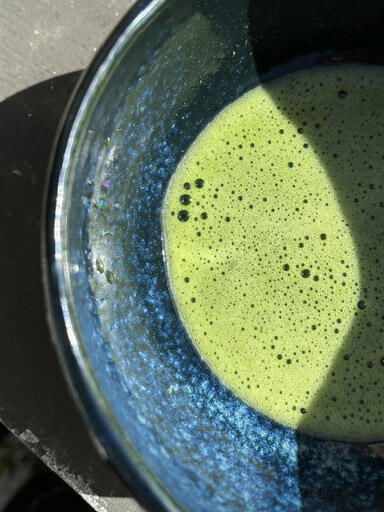
High-quality matcha has a vibrant green color, a smooth texture, and a delicate balance of rich umami sweetness with a hint of natural vegetal bitterness- think tender baby greens or sweet green peas, not harsh grassiness. It truly has to be experienced to be believed.

What is hojicha?

Hojicha is a traditional Japanese green tea made by roasting steamed tea leaves, stems, or powder over charcoal or hot air. This roasting transforms the flavor profile, producing a toasty, nutty, and slightly caramel-like taste, while naturally lowering caffeine content and astringency.

Originating in Kyoto in the 1920s, hojicha was created as a lighter, easy-to-drink tea, perfect for evenings or children.

High-quality hojicha powder, like ours from Yame, Fukuoka, uses first- and second-flush leaves, carefully roasted to bring out rich nutty and cacao notes while preserving subtle sweetness.

What is the difference between ceremonial and culinary grade matcha?

"Ceremonial grade" and "culinary grade" are Western marketing terms. They are not classifications used in Japan, where matcha is graded by harvest and quality of leaf instead.

At Yamada Chaya, we don't use these terms. Our matcha is categorised by harvest:

Our Superior matcha is a first harvest (first flush) tea, what is commonly referred to as "ceremonial grade" in Western markets. It is the youngest, most tender leaf, picked only in spring, with a naturally sweet, umami-rich flavour and vibrant colour.

Our Premium matcha is a blend of first and second harvest leaves, sitting just below first harvest in intensity and sweetness, but still a high-quality drinking matcha. Suitable for both usucha and lattes.

We do not sell culinary matcha. Both of our grades are intended for drinking, whether whisked traditionally or prepared as a latte.

Where is our matcha from?

We have sourced our matcha blends from generational tea farmers in Uji, Kyoto. Japan's most renowned matcha-producing region. Uji is widely regarded as Japan's top-tier matcha region as it has ideal tea growing conditions and over 800 years of history in the field.

Our JAS Organic Hojicha powder comes from Yame, Fukuoka. An area famed for it's nutty and toasty tasting notes in its tea.

What makes Yamada Chaya different?

Yamada Chaya is a family-run business founded by Yoshi and Kayleigh. Our matcha comes from a 260-year-old farm in Uji, Kyoto. Which is Japan's most respected matcha tea-growing region with over 800 years of history in the indutsry. We import in small batches, aligned to seasonal harvests, to ensure freshness and consistency. We are not a mass distributor. We are a curated tea brand built around provenance, quality, and craft.

Is your matcha organic or certified?

Our matcha is not organic certified, and this is a deliberate choice. Organic certification in tea farming typically results in lower yields and reduced quality, particularly for high-grade matcha where precision growing conditions are essential. We prioritise flavour, freshness, and integrity of the leaf over certification.

Our hojicha is JAS certified organic, sourced from a farm that meets Japan's national organic agricultural standard.

If you have specific questions about farming practices, we are happy to share more detail.

Why is matcha expensive?

High-quality Japanese matcha isn’t just tea, it’s the result of time, skill, and careful farming:

  • Tea bushes are shaded for weeks to boost sweetness and nutrients, but this lowers yield.
  • Farmers pick the youngest, most tender leaves which are the most flavorful and nutrient-rich.
  • Leaves are steamed, deveined, and stone-milled slowly (just 30–60 g per hour).
  • Authentic Japanese matcha must meet high standards from farm to tin.

Each step protects its vibrant color, umami flavor, and health benefits- making it more costly than regular tea, but also far more rewarding.

How do I prepare matcha?

For 薄茶 usucha (thin tea) sift 2g of matcha into a chawan (tea bowl.)

Add 60ml of water at around 80°C.

Whisk in a zigzag motion until fully combined and for the desired amount of foam.

For koicha (thick tea) sift 4g of koicha grade matcha into a chawan.

Add 30ml of water at around 80°C.

Use the chasen to gently knead the matcha into the water, forming a matcha tea paste.

For a latte sift 4g of matcha or hojicha into a tea bowl.

Add 60-80ml of water at around 80°C.

Whisk in a zigzag motion until fully combined and for the desired amount of foam

Pour the matcha over 180ml of hot or cold milk and add 10ml of sweetener.

How should I store matcha?

Matcha is best stored in an airtight container, away from direct light, heat, and moisture. Once opened, we recommend keeping it in the fridge and using it within 4–6 weeks for optimal flavour and colour. Unopened tins or pouches should be stored in a cool, dark place such as a freezer, fridge or cupboard. When removing your matcha from the freezer, allow it to adjust to ambient temperature over 24 hours before using it.

How much does shipping cost?

New Zealand: North Island $8. North Island Rural $12. South Island $15. South Island Rural $20. Orders over $100 NZD ship free. Free local delivery for postcodes 4310 and 4312.

Australia: NZ Post Economy Tracked $20 NZD. DHL Worldwide Express $35 NZD. Orders over $150 NZD ship free.

Europe: NZ Post Economy Tracked $35 NZD. DHL Worldwide Express $55 NZD. Orders over $250 NZD ship free.

Asia: Economy Tracked $25 NZD. DHL Worldwide Express $35 NZD. Orders over $250 NZD ship free.

Canada: DHL Worldwide Express $55 NZD. Orders over $250 NZD ship free.

United States: Shipping temporarily paused due to tariff changes.

Do you ship internationally?

Yes, we ship to a number of countries including Australia, the United Kingdom, Europe, and parts of Asia. Shipping rates and delivery times vary by destination. New Zealand orders typically arrive within 2–5 business days. Please note that international shipping to the United States is currently paused. Full shipping details are available at checkout.

When will I get my order?

*Orders placed 16 May–7 June 2026 ship from 8 June as we source our next harvest in Japan. Thanks for your patience!

We will work quickly to ship your order as soon as possible (usually within 1-2 business days.)

Once your order has shipped, you will receive an email with further information. Delivery times vary depending on your location.

Do you offer wholesale or café partnerships?

Yes, we work with a carefully selected group of independent retailers and cafés across New Zealand. We operate on a small-batch import model and partner with businesses that value authentic sourcing and quality. Visit our Where to Find Us page to see current stockists, or get in touch to discuss a partnership.

Do we do accept returns?

Under the Consumer Guarantees Act 1993 (NZ), you are entitled to a refund or replacement if the product:

  • Arrives damaged or defective
  • Is not as described
  • Is not of acceptable quality

Due to the perishable nature of our matcha products, we do not offer refunds for:

  • Opened or used items
  • Change-of-mind returns after an order has been processed or shipped
  • Personal taste preferences or dissatisfaction with results

See our refund policy for more information.

Koharu no Shiro Superior Matcha for Tea Ceremony - Yamada Chaya

Finest matcha

from generational tea farms

Japanese owned

& based in New Zealand

Honouring tradition

as well as modern tea culture